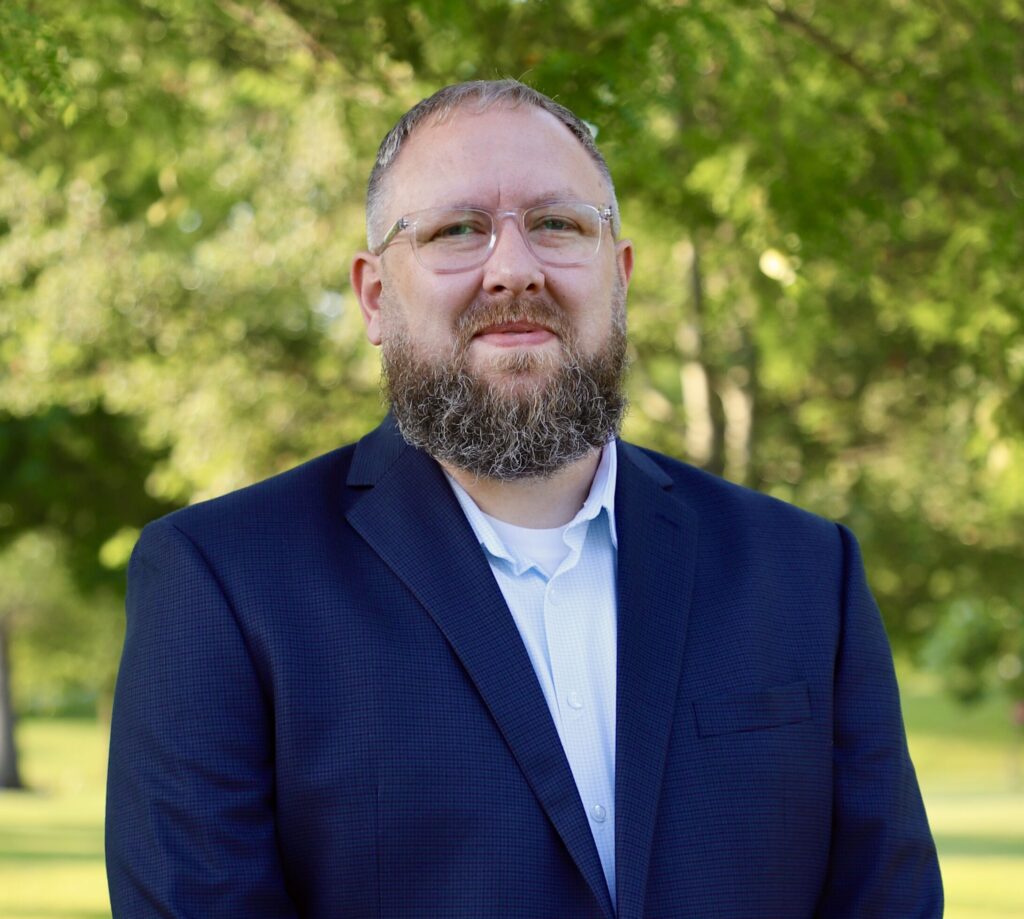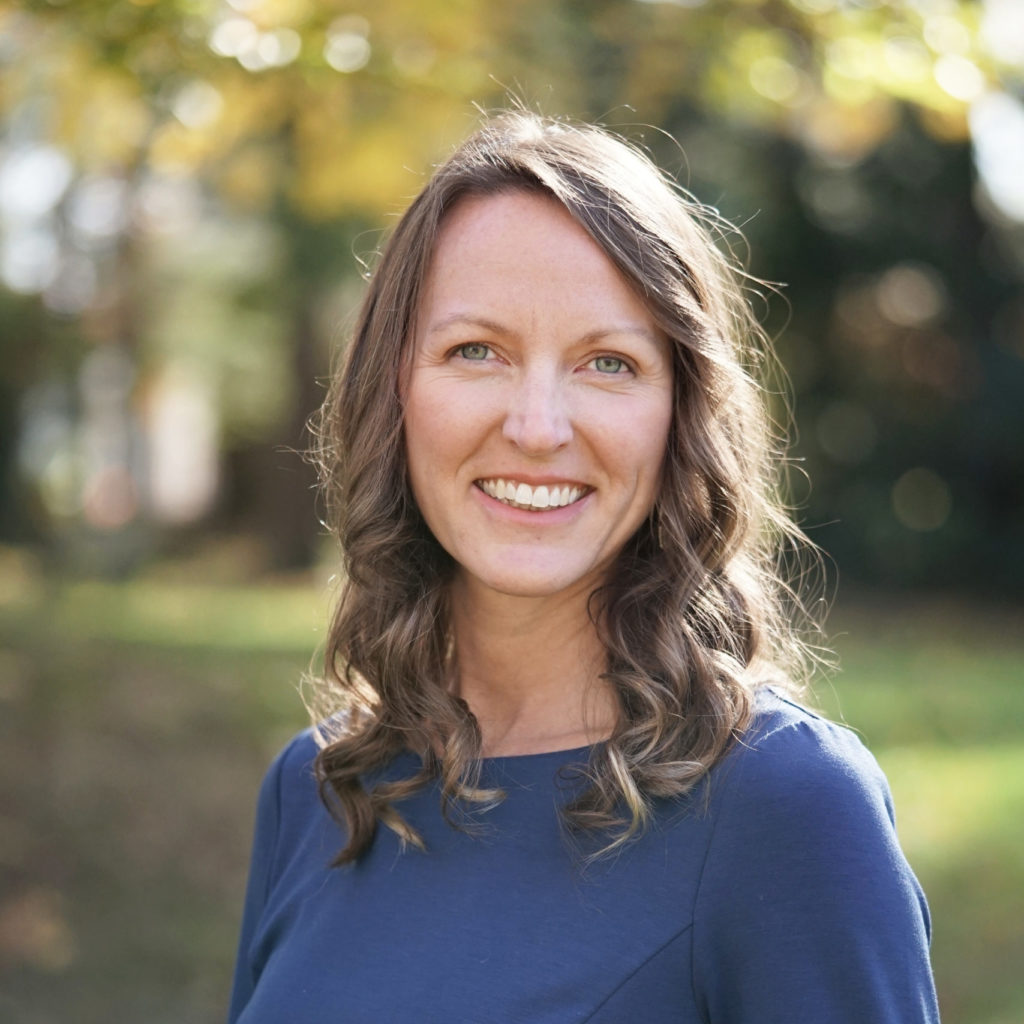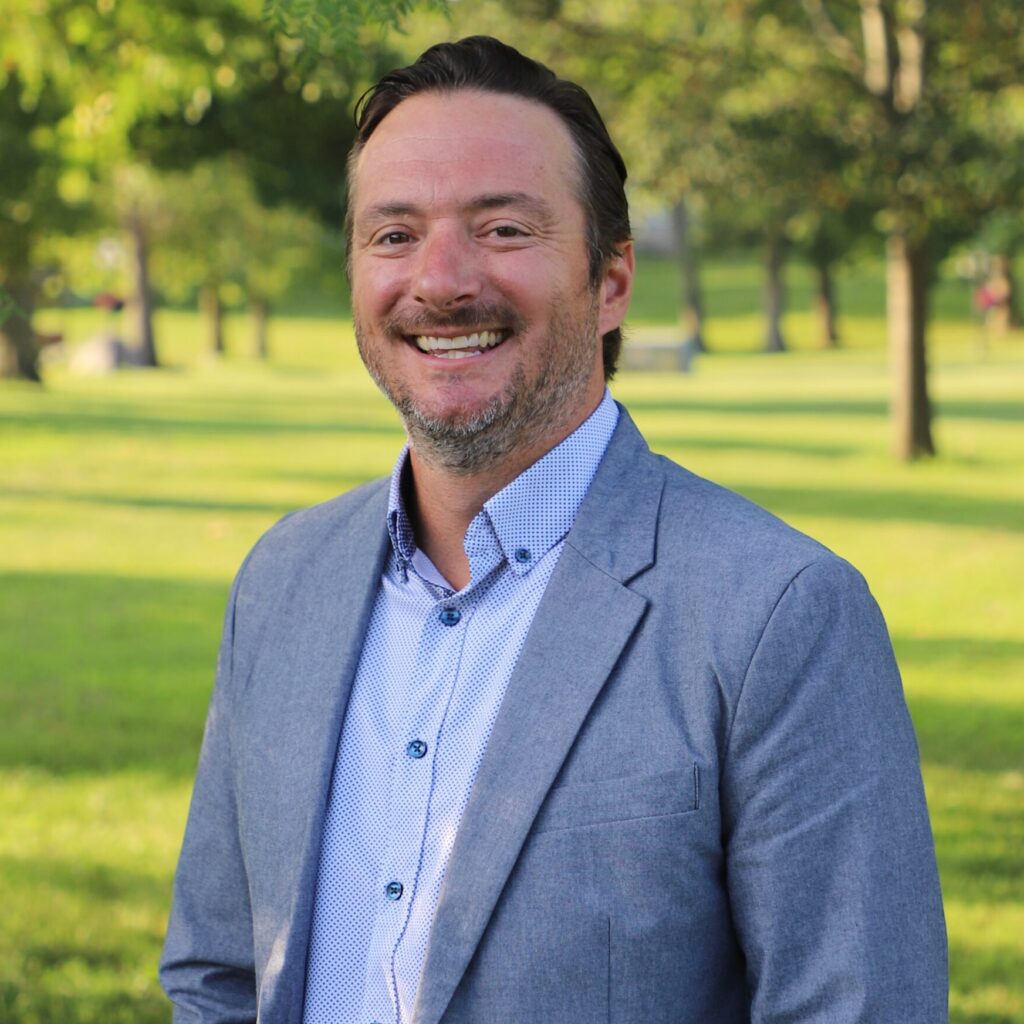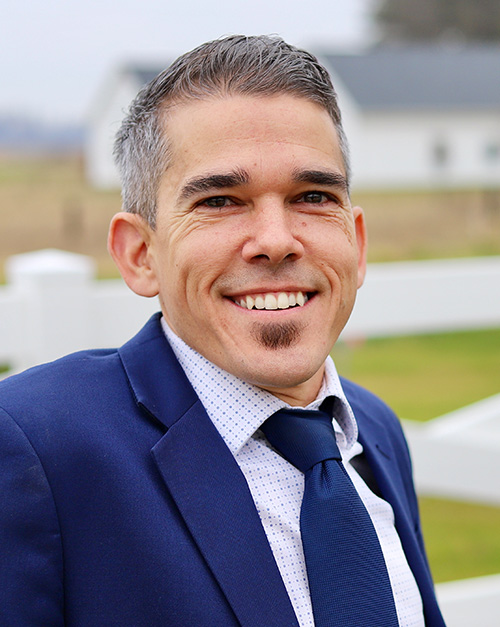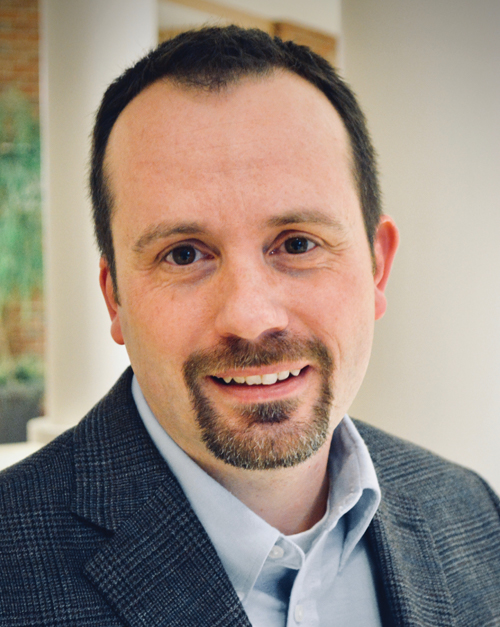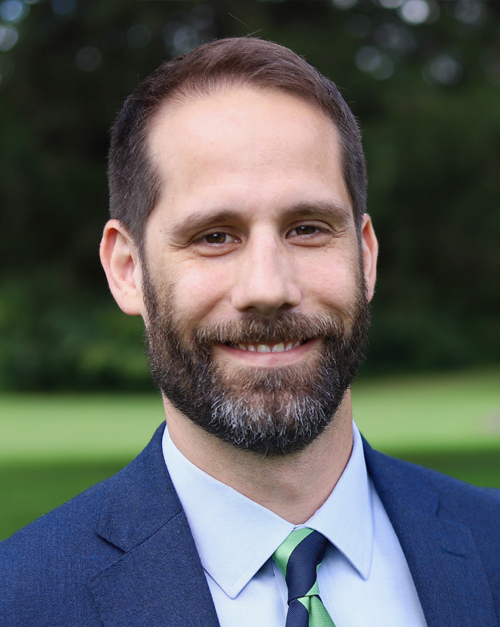
Guest Blog written by Whitney and Jason Small, Josiah White’s Foster Parents
Why Foster Families Shouldn’t do this Alone
You do not have to be a foster or adoptive parent to understand the invaluable power of community. In fact, you don’t even need to be a parent at all. At our core, we are all wired for connection. Deep within us resides the desire to be seen, to be heard and to be understood.
The heartbeat of humanity pulses strongest when we are surrounded by others — safe people who remind us we matter, we’re not alone and our broken places don’t make us unlovable. Whether you’re raising a family, caring for someone from hard places or simply walking through the mess of life, this truth remains: we were created for community.
But community doesn’t always come easily, especially in the world of foster care. Our response to the call of foster care can leave us feeling trapped in a silo. There are not many people outside this world who can understand the struggle — or the tension filling our hearts and homes.
As I write these words, I feel like I’m emotionally stranded on an island — maybe somewhere tropical, if I’d have my choice — but isolated nonetheless. I feel deeply disconnected from the kind of community my heart is longing for. I crave someone to sit beside me with coffee in hand, to listen without judgment as I unravel my doubts, fears and failures. Someone who simply pats my hand and says, “You’re not crazy. You’re not alone. This will pass.”
I haven’t always felt this way. We’ve been blessed with mountaintop experiences of community throughout our foster care journey. But today I choose vulnerability. In case you’re feeling like I am, I want you to know you’re not alone.
What Community Means for Foster Families
In its simplest form, community means togetherness. But in the world of foster care, community is all about survival. When you said yes to fostering, you didn’t just open your door — you opened your life to stories steeped in trauma, grief and unimaginable heartbreak. You invited tension into your home. Tension that many will never understand.
That “yes” may have been whispered in quiet corners with just your partner or close friends — but saying “yes” again and again requires a village. And if you’re parenting in the trenches of foster care without a village, chances are you’re exhausted. I’m not here to convince you that you need community — I believe you already know that. I’m here to remind you that your need is valid, your weariness is shared and your hope is worth fighting for.
I’m also here to open eyes for those who wonder how they can help foster families. Because believe me — there are so many ways to stand in the gap.
Our Beginning
My husband Jason and I became foster parents in April 2018. On a quiet Friday afternoon at 2 p.m., I got the call that our foster license was approved. Just two hours later, the phone rang again — a child was already on the way. By 5 p.m., I was carrying a terrified 18-month-old baby girl into our home.
She came with almost nothing: hand-me-down clothes worn past their prime, skim milk and a case of ramen noodles. But she carried something you couldn’t see. She had already learned crying didn’t elicit comfort, so she didn’t cry. She never made a sound in her crib, never reached out to be held. She’d fall hard — painfully — and never react. Rocking her to sleep felt unnatural to her. She didn’t know what nurturing was.
There were no visible signs of abuse. No bruises. No burns. But the neglect had carved deep grooves into her spirit. And watching those grooves play out in her tiny behaviors shattered me. For the first time, my eyes were opened, and my heart was broken.
The Power of a Care Community
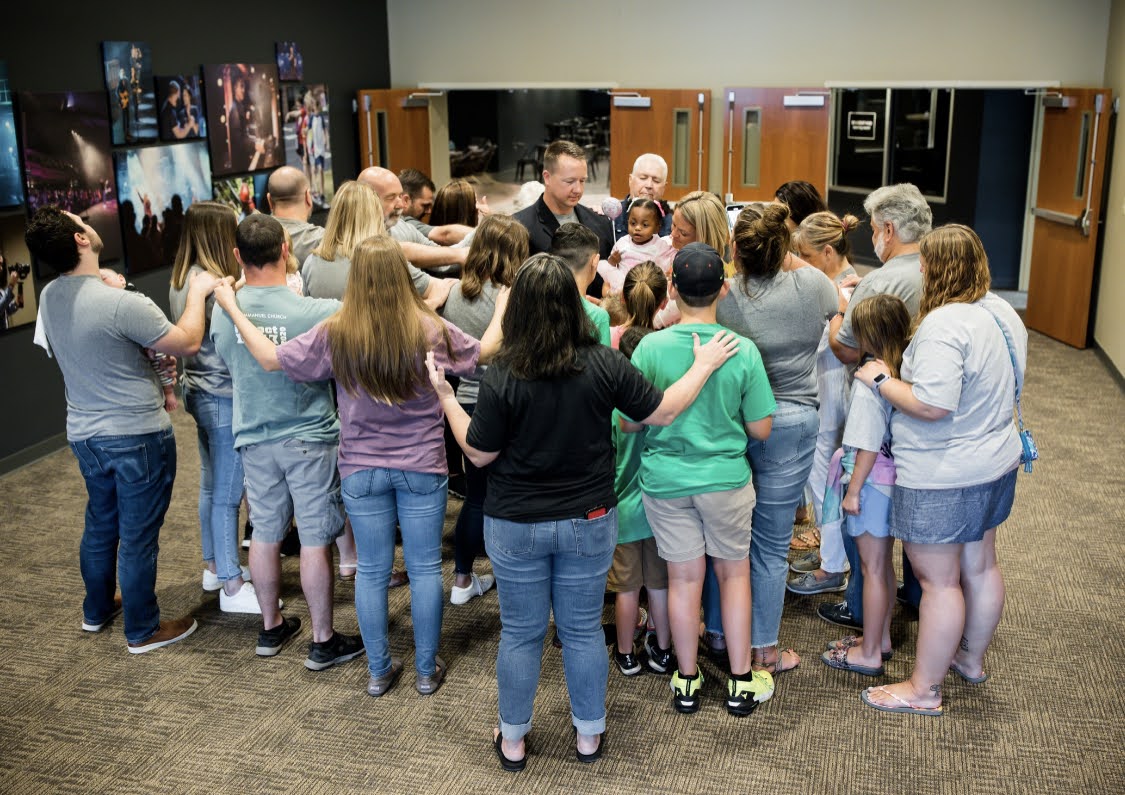
During that time, we were surrounded by a “care community” — a small group of volunteers from our church who had said “yes” to supporting us in our foster journey. These 10 volunteers committed to praying for us, encouraging us and meeting tangible needs during our journey.
One of the biggest blessings was a weekly meal delivered every Wednesday evening. That simple act gave us the gift of time to be present with our children, instead of rushing around meal planning, prepping and cleaning. The nourishment went far beyond food.
I’ll never forget one summer afternoon when our biological toddlers and foster daughter were napping; I was curled up on my bed sobbing. The weight of our new reality was suffocating. I was questioning everything: whether we were equipped, whether we should continue and whether we could survive another day.
Then came a knock at the door. Every ounce of my being wanted to ignore it. But I didn’t.
It was a woman from our Care Community, holding a bouquet of flowers and a card. She’d felt a strong conviction while grocery shopping to stop by our house. She brought the flowers so she wouldn’t appear empty-handed and asked if she could pray over me. Her obedience to her faith saved me that day and might very well have kept us on this foster journey. Her presence reminded me that we are never alone — and neither are you.
The Early Caregiving that Shaped Us
Our first child from foster care only stayed a few months, but her impact is forever etched in our hearts. The next kids we welcomed home were short-term — one for two weeks, another just 24 hours. Both were infants and arrived with nothing.
But both times, our community showed up. Friends, family, neighbors and church members answered the call. Grocery bags filled with diapers, formula and frozen meals were dropped at our doorstep. Friends arrived at all hours with coffee, medicine and helping hands. Encouraging texts, phone calls and prayers kept us grounded through sleepless nights. It was overwhelming in the most beautiful way.
The smallest gestures held immense weight. They told us we were seen. They told us we weren’t carrying this alone.
Community, Reimagined During COVID
Fast forward to 2020. COVID changed everything and everyone.
But somehow, in the isolation, creativity bloomed. We were once again blessed with a Care Community — this time, one that reinvented connection. Before meeting us face to face, our Care Community showed up to clean our yard for spring. Hand shakes and hugs were replaced with lawn gloves, rakes and bags of sticks.
One dear friend called and said, “Leave your laundry on the porch by 4 p.m.” The next day, she delivered everything washed, folded and organized — with a coffee and flowers tucked on top, along with an encouraging note.
Another time, for our biological daughter’s birthday, this same Care Community decorated the front of our home after dark and left a basket of her favorite gifts.
When our then-foster daughter was hospitalized for weeks, our Care Community helped to take care of our home, our lawn and our bellies.
Her adoption happened when court hearings were still virtual. Even then, our Care Community, family and friends rallied together to make her adoption special and memorable by hosting a gathering of loved ones while streaming our adoption from the adjoining room. Afterward, we walked in and joined everyone through a tunnel of love, confetti and cheers to celebrate our daughter.
These moments left imprints on our hearts. They reminded us love can still be loud, even when the world is quiet.
Parenting Children from Hard Places
Today, we are a family of eight. Our two oldest children are biological. We’ve adopted two children from foster care and are still fostering two others. The trauma history within our home is profound — and parenting through it is the hardest part.
Trauma doesn’t announce itself with a warning. It sneaks in sideways, through unexpected reminders and confusing behavior. It’s unpredictable and exhausting. It often makes the idea of community feel out of reach — because the people who truly “get it” are usually in the trenches themselves.
The term “trauma-informed” has become a buzzword, and we welcome it. Foster families need people who understand what doesn’t make sense to others. We need people who understand why at times we parent each child differently. We need creative ideas for navigating tough behaviors while preserving safety and trust. We need our community to understand that the wounds often shaping the behavior of our children are rarely seen.
What foster parents don’t need to hear is, “I could never do what you do.”
We need to hear, “You’re doing a great job.”
We need people who choose to rally around us — not out of admiration, but out of partnership. People who step into the hard, sit in the silence and stay through the mess. Because foster care isn’t a one-time yes. It’s a daily yes. And it shouldn’t be said alone.
The Mission We’re On
Jason and I are now on a mission to support foster families and help educate others about what foster families truly face. We’ve launched a podcast called “Dream Small”, where we speak candidly about the challenges, victories and truths behind foster care. Our hope is to encourage families, equip supporters and build bridges of understanding, even in the smallest of ways.
You can find “Dream Small” on your favorite podcast platform — come join us as we dream small together.
Final Encouragement
Foster care is hard. It stretches your soul in ways you didn’t know possible. It breaks your heart and rebuilds it again and again, only to be broken again. Foster families shouldn’t have to carry it alone.
If you’re in a season of isolation, I see you. If you’re in a season of abundance, be someone’s community. If you’re asking how you can help, the answer is simple: just show up.
Bring the coffee. Send the text. Fold the laundry. Say the prayer. Be the flowers on the doorstep and the hand that reminds someone, “You are not crazy. You are not alone. You are deeply loved.”
We can’t do this without each other. And thankfully, we don’t have to.
Personal Bio
Jason and Whitney Small are a modern-day love story — proof that sometimes online dating really does work. Married since 2012, they live in Central Indiana where Jason manages a fulfillment warehouse and Whitney manages the beautiful chaos of home life. Together, they’ve been foster parents since 2018 and are currently raising six children: a vibrant blend of biological, adoptive and foster kids ranging in ages from 1 to 11. Their home is filled with laughter, love, and the occasional sleepless night — all made richer by the newest family member, Maggie, a mini Bernedoodle whose adoption was fueled by Whitney Small’s trademark adventurous spirit (and maybe just a dash of impulse). Maggie joined the crew a week after the family welcomed home their youngest foster child at 3 months old, because, why not?
We believe in showing up for the hard. We believe in loving through the mess, and building a community that makes even the wildest days feel a little softer. Catch more of their story at “Dream Small Podcast” found on your favorite platform.