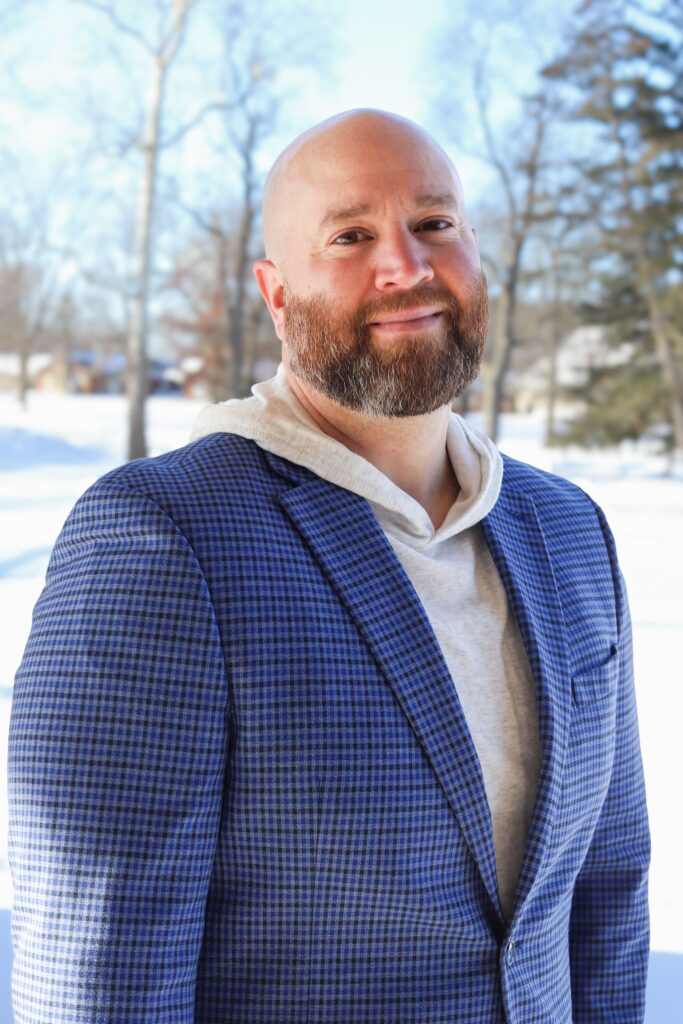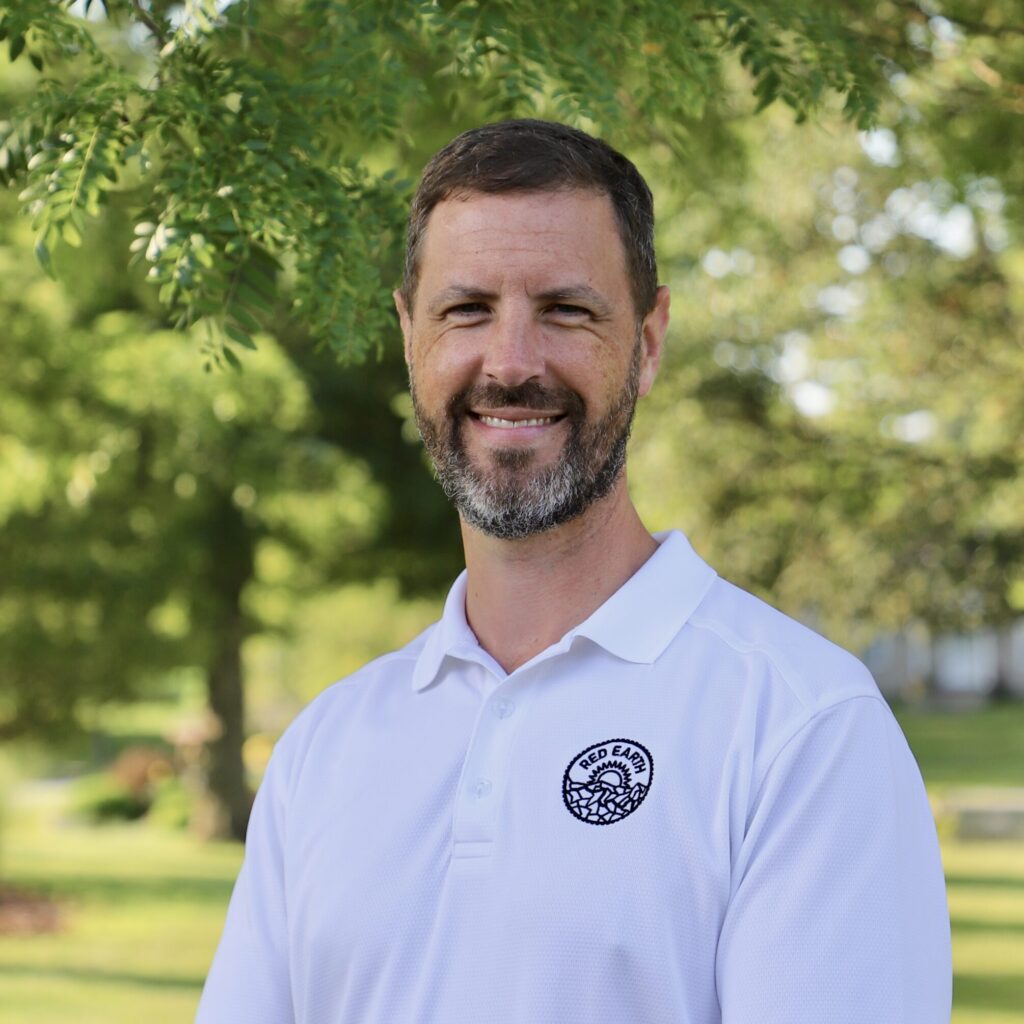
Guest Blog written by Josh Cortez, A Josiah White’s Foster Parent & Board Member
This piece was originally delivered as a keynote address by Josh Cortez at the Every Child Symposium, a gathering centered on foster care, adoption, and kinship care. Drawing from his own family’s foster care journey, Josh wove together personal story, Scripture, and practical encouragement to speak directly to the hearts of caregivers walking through the challenges and joys of caring for vulnerable children. His message reminded attendees that they are not unseen in the wilderness of foster care — that God meets them in the ordinary moments, the hard seasons, and through the community around them.
In 2019, just a few weeks before Christmas, we received our very first placement, a little girl who quickly won over our hearts. Then just a few months later… COVID hit. School moved online, work went remote, and church went virtual. Everything slowed down, and in the middle of a global shutdown, our home was adjusting to foster care for the very first time. It was a strange season. There was pain, there was uncertainty, and there was exhaustion. And yet… there was also sacred time together. Long days at home, slower rhythms, and moments we might never have had otherwise.
That placement eventually ended with reunification. She went home to her biological father. It was what we had prayed for, and it was still hard, because no foster care story is without its ups and downs. At some point, I read, heard, or saw something by Jamie Finn that stuck with me: “Hard things are not impossible. They’re just hard.” That has defined so much of this journey for our family.
From the very beginning, our goal has been reunification. For us, it’s a picture of the gospel, the ministry of reconciliation and families restored. By the grace of God, that’s been the story of almost every placement we’ve had. But here’s the tension: it’s one thing to believe in reunification when things are moving forward; it’s another thing to believe in it when nothing seems to be progressing. When court dates stall, when parents don’t show up, when the system feels frustrating, or when adoption feels more likely than restoration, there’s a wilderness in that. Sometimes, in that wilderness, it can feel like no one sees you.
In Genesis 16, we meet Hagar in her own wilderness. She’s running, abused, pregnant, and alone. Genesis 16:13 says: “So she named the Lord who spoke to her: ‘You are Elroi,’ for she said, ‘In this place, have I actually seen the one who sees me?’” In the wilderness… she encounters a God who sees her. I think that matters deeply for those of us walking the foster care, adoption, or kinship journey.
The Wilderness Shapes Us
Genesis 16:7 says the angel of the Lord found her by a spring in the wilderness. The wilderness in Scripture is always a place of formation. Moses was shaped there, Israel was shaped there, and Jesus was shaped there before His public ministry began. The wilderness is hard; it’s scarce and uncomfortable. But it is also where God does some of His deepest work. The wilderness shapes us.
If we’re honest, foster care often feels like the wilderness. It’s out of our control, it stretches our patience, it exposes our weakness, and it reveals how little power we have. But what if the wilderness isn’t just something to survive? What if it’s a place where God is shaping us to look more like Jesus? Whether we realize it or not, every time we say yes to a placement, we are willingly stepping into the wilderness. And here’s the good news: we are not unseen there.
Here’s what I’ve come to believe over the years: God sees you and the children in your care, not only in the wilderness, but also in the ordinary and through community. Not just in crisis and not just in desperation, but in the daily. Being seen in the ordinary… changes everything.
Being Seen Through Community
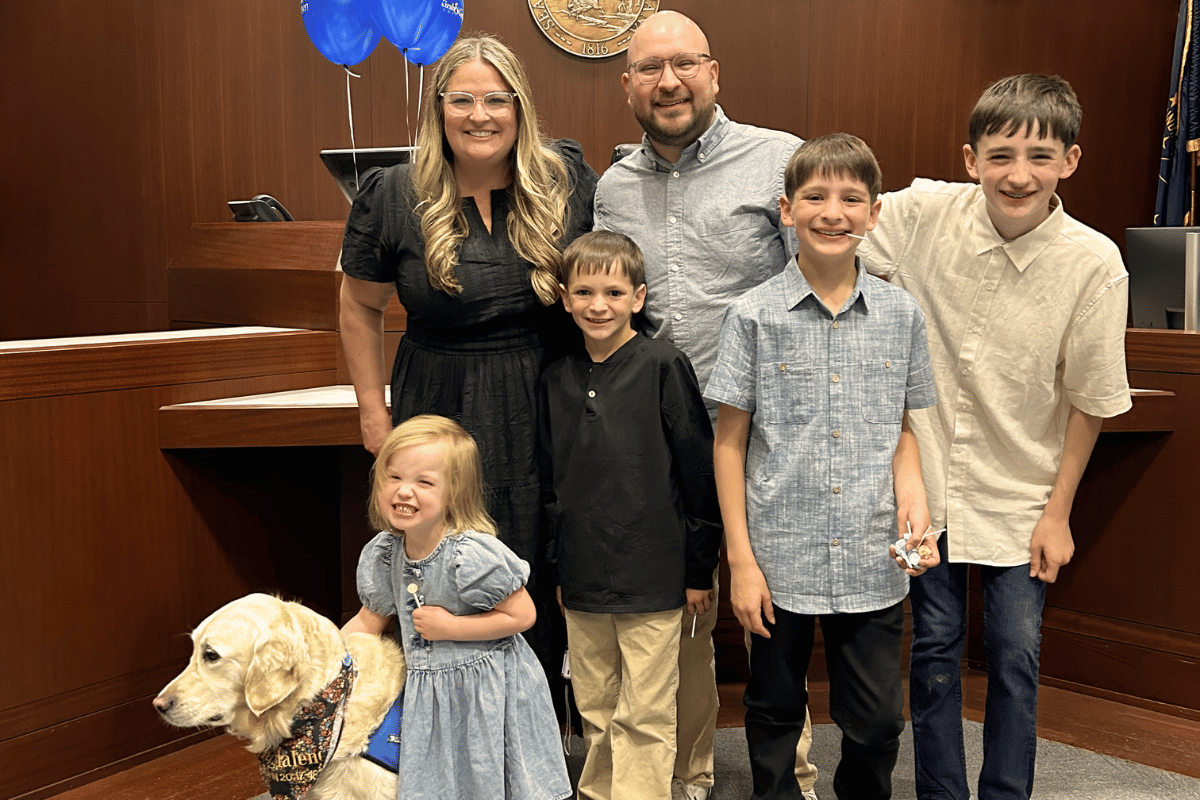
But there’s another way God sees us: through community. My wife, Amy, and I learned very quickly that we could not do this alone. The heartbreak wasn’t just ours, the joy wasn’t just ours, and the celebration of reunification wasn’t just ours. Our family has shown up. Our church has shown up. Our friends have shown up. Our homeschool community has shown up. They’ve held babies, brought meals, watched kids for respite, and cried with us. What we’ve realized is this: sometimes God sees you through the eyes of His people. It’s through someone who says, “I’ve got your kids tonight,” through someone who sits across from you and just listens, or through someone who prays when you’re too tired to. If you’re trying to carry this alone, you are carrying something you were never meant to carry by yourself. To follow Jesus is to be adopted into a family. That means you have brothers and sisters. Foster care, maybe more than anything, exposes how much we need them. Community turns wilderness into belonging.
How Do We Live Differently?
So, what do we do with this? If God sees us in the wilderness, in the ordinary, and through community, how do we live differently?
- Practice Intentionality in the Ordinary: We begin by reframing our days. Instead of separating “spiritual moments” from “foster care moments,” we see them as the same. Devotion time and dirty diapers, prayer and paperwork, worship and washing bottles. Every part of your day becomes an opportunity for formation. You begin to ask yourself: How might God be shaping me today, not someday, through this moment? Because foster care isn’t just forming the children in your home; it’s forming you.
- Lean Into Community: If you don’t have it, pursue it. A church, a small group, an agency community, or other foster families. Maybe that’s why you’re here today. Because when wilderness feels like isolation, community feels like belonging, and belonging changes endurance. You might have to take the first step, ask for help, or admit you’re tired. But there is a blessing in being seen by God through community that you don’t even know you’re missing until you experience it.
The Story Begins in the Wilderness
Here’s what I want to leave you with: You are not just surviving placements. You are participating in a redemptive story. Every time you say yes to a child, every time you pray for biological parents, and every time you endure uncertainty with faith, you are bearing witness to a God who sees. A God who sees the child, a God who sees the parent, and a God who sees you.
When the world looks at foster care and sees chaos, instability, and brokenness, we get to see something else: formation, faithfulness, and reconciliation. The wilderness is not the end of the story; it’s often where the story begins. In that place, you can look up, like Hagar, and ask: “In this place… have I actually seen the One who sees me?” Yes. You have. And He has not looked away.